

The Spanish economic outlook for 2025 shows a mix of lights and shadows, influenced by the evolution of key factors such as inflation, interest rates, growth, and unemployment.
Inflation is expected to continue its downward trend, albeit slowly. Factors like energy price moderation and supply chain normalization will contribute to this deceleration. However, persistent geopolitical tensions and the evolution of food prices could generate some volatility.
After a rapid increase in interest rates in 2023 and 2024, stabilization and possibly a slight decline are expected in 2025. This would provide relief for indebted households and could stimulate housing demand. However, the evolution of the European Central Bank's (ECB) monetary policy will be crucial.
The Spanish economic growth is anticipated to moderate in 2025, remaining in positive territory. Private consumption, driven by improved confidence and inflation moderation, will continue to be a significant driver. However, investment may be affected by global uncertainty and evolving interest rates.
The unemployment rate is expected to continue its downward trend, albeit at a moderate pace. Job creation will be driven by sectors such as tourism, technology, and services. However, the persistence of structural challenges, such as high youth unemployment, will require targeted policies.

Limitation of Tourist Use Licenses
Michel Paschoud
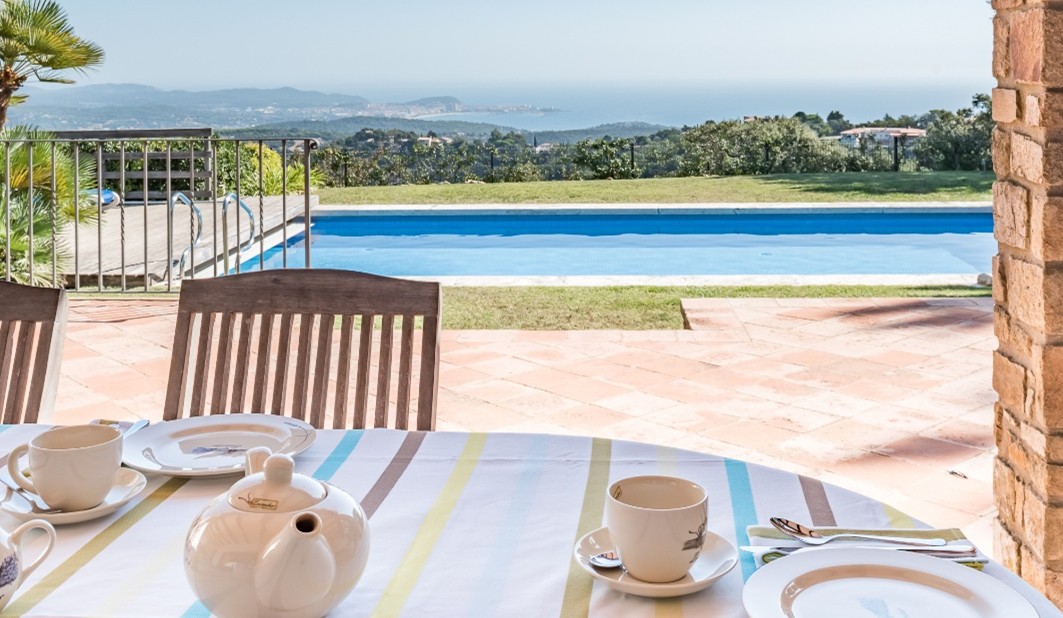
Housing for tourist use is in the government's sights. In Catalonia, in November 2023, Decree Law 3/2023 set limits on the number of licences at 10% of the municipality's population. The aim of this measure was to prevent the rental housing market from being monopolised by tourists, leaving Catalans with no option of obtaining a long-term contract.
The problem is that, once again, it was done without thinking or consulting specialists in the sector, and what makes sense in Barcelona does not work in coastal areas. In large cities, where there is a constant flow of tourists, tourist rentals are more profitable, as the income they generate is much higher than in a long-term contract. In summer holiday areas, the season is very short and the vast majority of properties rented to tourists are not rented with the aim of making a profit, but simply to pay the expenses of the second residence that the owner also enjoys.
Therefore, in municipalities such as Calonge and Sant Antoni, Castell-Platja d'Aro or Roses, the limitation of tourist licences does not help to increase the number of annual rentals and harms all those involved in the tourism sector.